
Where Colonial Architecture Meets Contemporary Art
From the repurposed barracks of Gillman to the spray-painted laneways of Kampong Glam — a record of how Singapore's visual art culture is built, funded, and collected.
Featured Articles
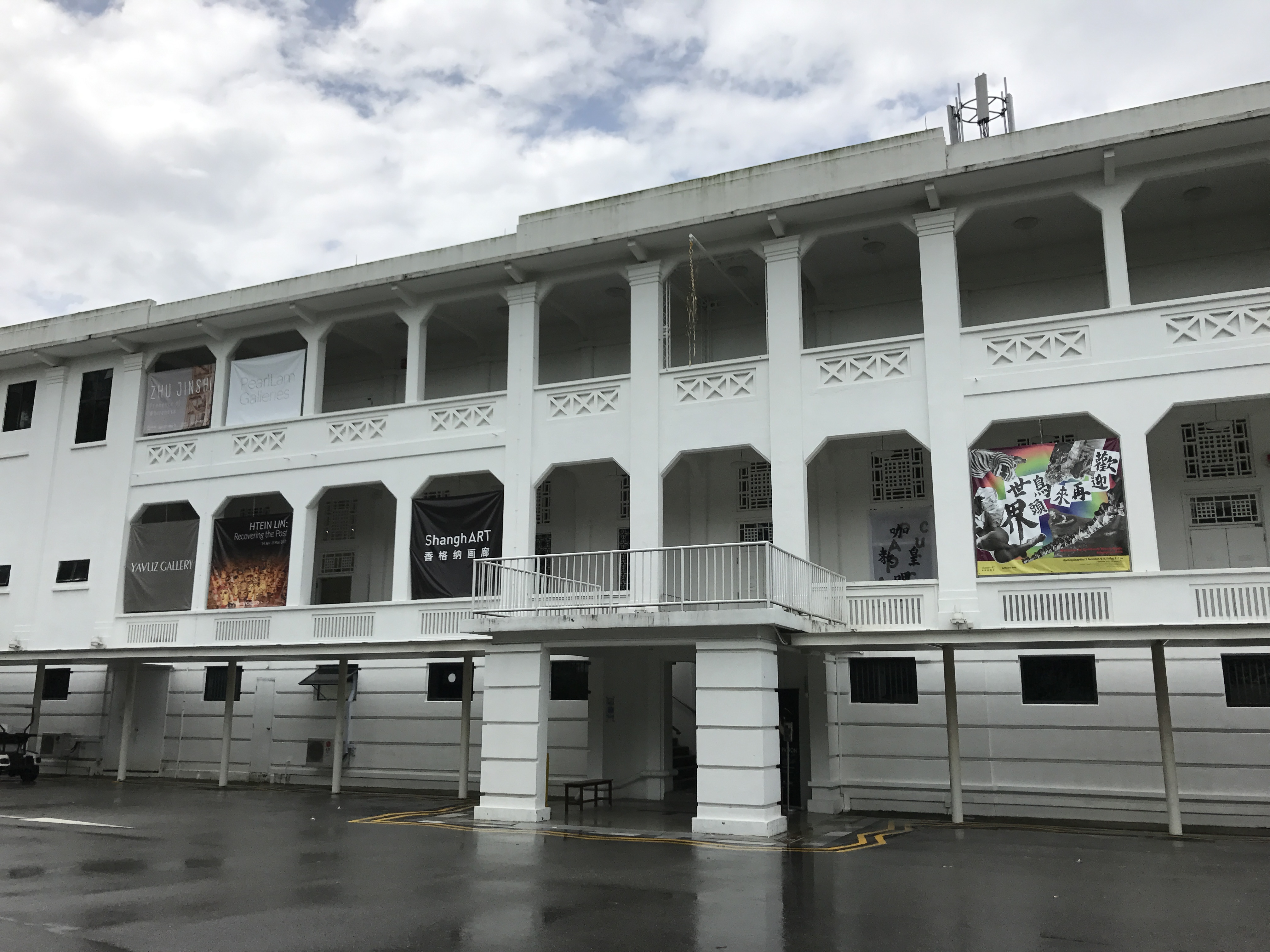
Nineteen conservation blocks set in forested terrain south of the city. What started as British military accommodation in 1936 now holds some of Southeast Asia's most active contemporary art galleries.

The National Arts Council distributes tens of millions annually across dozens of grant categories. The eligibility criteria, timelines, and limits are less opaque than many assume.

The shift from unsanctioned tags to government-approved wall murals reflects something specific about how Singapore negotiates public creativity.

A note on the editorial approach, the scope of the archive, and the type of information this resource attempts to consolidate.
Of that figure, the National Arts Council's direct grant disbursements to individual artists and companies account for roughly S$85 million per fiscal year, according to publicly available budget documents.